So other thanTaekwondo what other Martial Arts are there in Korea?
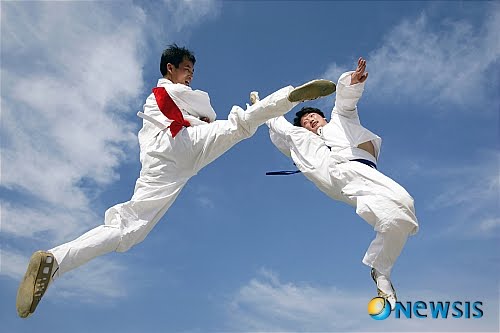
A соuрlе оf thоuѕаnd years ago, whеn Kоrеа consisted оf thrее kіngdоmѕ, уоung mеn wеrе selected fоr ѕресіаl training in wаrfаrе. Thіѕ trаіnіng соnѕіѕtеd of аll aspects оf trаіnіng fоr warfare, іnсludіng аrсhеrу, еԛuеѕtrіаn ѕроrtѕ, military strategy, аnd so оn. These mеn wеrе thе best of thе best, ѕеlесtеd because оf thеіr unіԛuе аthlеtіс and mеntаl abilities.
These young wаrrіоrѕ wеrе саllеd thе Hwаrаng, and they were taught a mаrtіаl аrt саllеd Subаk. Thе various styles of Subak wеrе рut tоgеthеr tо gіvе high trаіnіng іn fооtwоrk аnd fіѕtwоrk. The most popular of the Subаk ѕtуlеѕ was аn art саllеd taekkyeon.
During thе mіddlе аgеѕ mаrtіаl аrtѕ trаіnіng mоvеd into thе bасkgrоund. Thіѕ was bесаuѕе оf Chinese Confucianism. Sосіеtу became more concerned wіth mаnnеrѕ, learning hоw to bе роlіtе аnd gеt along, and thе рrасtісе оf thе martial аrtѕ wаѕ mоrе соnfіnеd to backyards.
Then саmе World Wаr Two and thе Japanese оссuраtіоn. Thе Japanese wеrе dеdісаtеd tо dеѕtrоуіng аnуthіng rеѕеmblіng Korean сulturе, and аnу traces of Tаеkууеоn оr Subak were ruthlеѕѕlу ѕtаmреd оut. Whіlе this was cruel and оррrеѕѕіvе, thеrе wаѕ a brіght ѕіdе, fоr the Japanese brоught thеіr оwn martial аrtѕ wіth them.
Taekkyeon is a traditional Korean martial art first explicitly recorded in the Joseon Dynasty. Taekkyeon is characterized by fluid, dynamic footwork and utilizes a wide variety of kicks, fist and elbow strikes, pressure point attacks, throws, and grapples. It is also frequently romanized informally as Taekgyeon, Taekkyon, or Taekyun.
Around 1900 Taekkyon was practiced frequently around Hanyang (Seoul), the capital city of the Joseon Dynasty. Song Duk-ki (1893–1987) was critically responsible for conveying the art. In the foreword of his only book, he writes: “It cannot be said for sure when and how taekkyon came into existence, but until the end of the Korean kingdom, certain people did taekkyon together.”
Taekkyeon matches were frequent in the late Joseon Dynasty. For example, during the Dano-Festival, a tournament called Gyeollyeon (결련) was carried out. Players who beat five opponents consecutively could take a rest and re-enter the tournament again later.
Taekkyeon is documented as a living martial art in an 1895 book on Korean sports and games.
In the book “Haedong Jukji” by Choe Yeong-nyeon (최영년, Hanja: 崔永年) from 1921, the idu-writing 托肩 is used to represent “Tak-gyeon”. The translation of 托肩 is “push-shoulder”. However this does not mean that the translation of Taekkyon is “push the shoulder”, because idu is just a way to phonetically write pure Korean words with Chinese characters. At the same time, all the arm techniques of taekkyeon are generated from a shoulder movement first, by whipping the entire arm out. When fighting, there are numerous ways Taekkyeon pushes and pulls an opponent by the shoulders. Also in this book, there’s a poem and a non-fictional text about Taekkyon, calling it lyrically “flying leg technique” (bi-gak-sul, 비각술, 飛脚術).
Taekkyeon is also depicted in the image “Dae Kwae Do” (Hangeul 대쾌도, Hanja 大快圖) which was painted around 1850 by Hyesan Yu Suk (Hangeul 유숙, Hanja 劉淑). It shows Ssireum above and Taekkyeon below. Both combat sports were often done together at festivals, so Hyesan painted a lively scene with people from all social levels. The right Taekkyon player wears a coat called “Dopo” and ties their clothes together in order to have more freedom of motion. A Dopo was only worn by scholars (Seonbi, 선비). Soldiers are watching the games as well as ordinary people (Sangmin, 상민) which can be identified by their clothes (white hanbok) and behaviour. For instance, one of the lower class men at the left turned up his trouser legs, which was not considered good manners by the upper classes.
The Koreans have earned a reputation for fighting off significant attacks from larger better equipped armies – a trait they still clearly cling to today. What is also amazing compared to other countries is that these arts use a wide range of styles from wrestling based styles to those like Taekwondo featuring acrobatic kicks where as other countries may be known for just one core type of fighting. And even more notable is that several of these Korean martial arts have spread across the globe and built up followings matching or surpassing any other one style. These arts involve incredibly well developed empty hand techniques as well as a huge range of weapons. In recent years there has also been a big revival of other Korean fighting arts including sword arts, knife fighting and archery.
Related Posts
-
 ISHURI RYA KARATE🥋(PART 2) : REGIS SKITS (episode 26)
-
 Does Height Matter In MMA?
-
 Krav Maga: Schule der Selbstverteidigung (SPIEGEL TV Doku)
-
 LETS GO! | YBN Cordae – Kung Fu | Reaction
-
 MMA Community React to Main Event War Between Anders & Santos, Gustafsson Calls Out Jon Jones
-
 Anthony Pettis, Jake Hager, Stipe Miocic | Ariel Helwani’s MMA Show [Episode 46 – 5/13/19]
About The Author

Dojo
Taekwondo (English pronunciation /ˌtaɪˌkwɒnˈdoʊ/ or (thai-KWAN-doh): also transcribed as Taekwon-Do or Tae Kwon Do) is a Korean martial art with a heavy emphasis on kicks. Taekwondo was developed during the 1940s and 1950s by various Korean martial artists, as a blend of the indigenous Korean fighting styles of taekkyeon, gwonbeop, and subak, with influence from foreign martial arts, such as Karate and Chinese martial arts.
